-
Courses
Courses
Choosing a course is one of the most important decisions you'll ever make! View our courses and see what our students and lecturers have to say about the courses you are interested in at the links below.
-
University Life
University Life
Each year more than 4,000 choose University of Galway as their University of choice. Find out what life at University of Galway is all about here.
-
About University of Galway
About University of Galway
Since 1845, University of Galway has been sharing the highest quality teaching and research with Ireland and the world. Find out what makes our University so special – from our distinguished history to the latest news and campus developments.
-
Colleges & Schools
Colleges & Schools
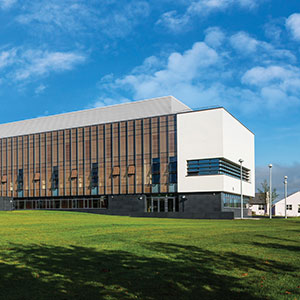
University of Galway has earned international recognition as a research-led university with a commitment to top quality teaching across a range of key areas of expertise.
-
Research & Innovation
Research & Innovation
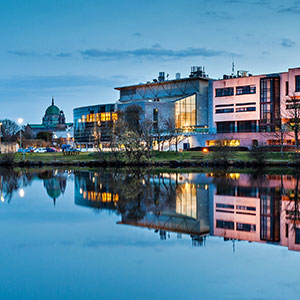
University of Galway’s vibrant research community take on some of the most pressing challenges of our times.
-
Business & Industry
Guiding Breakthrough Research at University of Galway
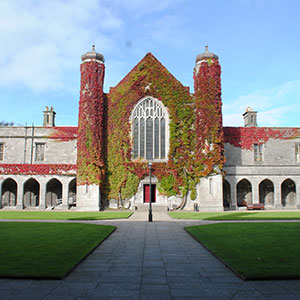
We explore and facilitate commercial opportunities for the research community at University of Galway, as well as facilitating industry partnership.
-
Alumni & Friends
Alumni & Friends
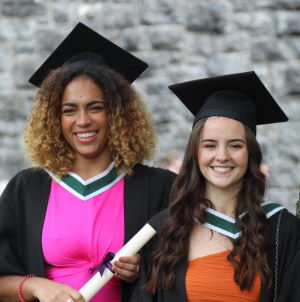
There are 128,000 University of Galway alumni worldwide. Stay connected to your alumni community! Join our social networks and update your details online.
-
Community Engagement
Community Engagement
At University of Galway, we believe that the best learning takes place when you apply what you learn in a real world context. That's why many of our courses include work placements or community projects.
 Accessibility & Language
REBORN
REBORN
We are delighted to share that the University of Galway, through the Ryan Institute, is a partner in the new Interreg North-West Europe (NWE) REBORN project. REBORN addresses the degradation of seagrass meadows across the North-West Europe coast and aims to unlock seagrass restoration at scale a blue-green infrastructure and natural capital opportunity. The project runs from 1 January 2026 to 30 June 2029 and brings together more than 11 partners across Europe working to advance seagrass restoration through governance, practice and capacity building.
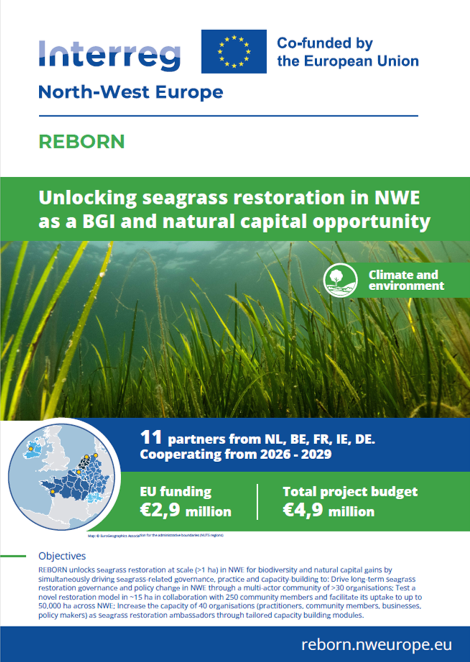
Figure 1. Overview poster of the REBORN project.
For the Ryan Institute, REBORN builds on a strong and growing body of work in marine restoration. Over recent years, Liam Morrison’s Laboratory at the University of Galway has developed hands-on experience in seagrass restoration through the EU-funded CLIMAREST project. Dr Liam Morrison and Dr Juan Lugilde Yáñez have been involved in an international consortium focused on coastal climate resilience and marine restoration. In Ireland, this work has supported progress in seagrass restoration across several selected sites, including active transplantation in Tralee Bay, Galway Bay, Killala Bay and Dublin Bay. Through these activities, our researchers at the Ryan Institute have developed both scientific expertise and practical restoration capacity. Our team has been testing restoration methods, assessing suitable restoration sites, and engaging local stakeholders and interested citizens around Ireland and Europe. Our work has also been strengthened by collaboration with colleagues in southern Spain from the University of Málaga, including Dr Ricardo Bermejo and Dr Sara Haro and África N. G. De la Morena in Málaga, whose expertise in seagrass restoration has complemented and enriched our own.
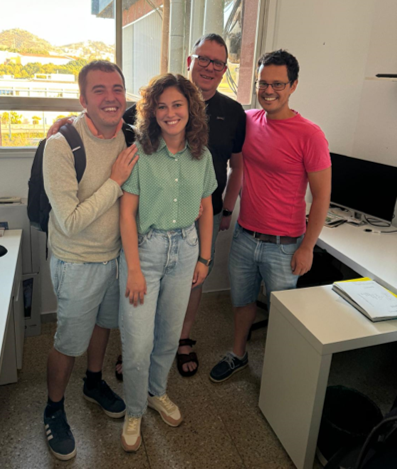
Figure 2. From left to right: Dr Juan Lugilde Yáñez, Dr Sara Haro, Dr. Liam Morrison and Dr Ricardo Bermejo.
REBORN connects 11 partners from five countries: Belgium, France, Germany, Ireland, and the Netherlands, in a shared effort to strengthen seagrass restoration across North-West Europe. Over the next three and a half years, the consortium will work together to advance seagrass governance, restoration practice and capacity building. The project’s ambition goes beyond restoring seagrass at specific sites: it also seeks to establish a restoration approach that is robust, transferable and scalable, and that can help inform similar efforts elsewhere in Europe. The other main partner from Ireland is Natural Capital Ireland (NCI), represented by Deirdre Lane, (Executive Coordinator) and Jonathan Cooper (one of NCI's Directors). NCI will support project communication, training course development, and the integration of REBORN’s work into the natural capital approach and accounting methodologies.
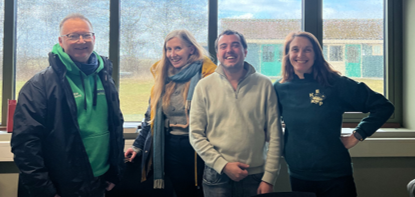
Figure 3. REBORN kick-off meeting in Schiermonnikoog, the Netherlands. From left to right: Jonathan Cooper, Deirdre Lane, Dr Juan Lugilde Yáñez and Dr Fiona Tomas Nash from the IMEDEA research centre.
REBORN also sits within a wider Irish ecosystem of organisations, practitioners and advocates working to better understand, protect and restore seagrass. Other Irish partners in REBORN include the Environmental Protection Agency (EPA), the Marine Institute (MI), and the National Parks and Wildlife Services (NPWS). Beyond the project itself, a wider network of collaborations has helped strengthen the visibility and reach of seagrass restoration in Ireland. Coastwatch Ireland has long supported public participation in coastal protection and continues to provide dedicated seagrass resources and actions for communities. Zero Waste Alliance Ireland brings an important national policy and public engagement perspective, and we have been very glad to collaborate with them on their documentary work on seagrass meadows in Ireland:‘’Seagrass: The Hidden Life Beneath Our Shores‘’. Galway Atlantaquaria also plays an important role in public outreach and participation, contributing to community-facing engagement through talks, tours and shoreline events. Together through REBORN, these connections are helping to build momentum for seagrass restoration in Ireland and beyond, linking research, policy, public engagement and restoration practice in a way that is essential if seagrass recovery is to happen at meaningful scale.
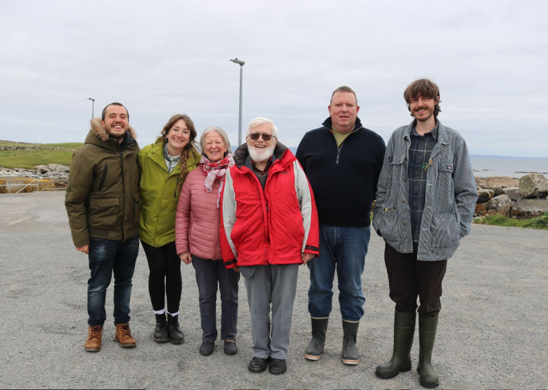
Figure 4. Collaboration between the Ryan Institute and Zero Waste Alliance Ireland during the filming of a documentary on seagrass restoration.
At the Ryan Institute, we see REBORN as an opportunity not only to restore seagrass habitat, but also to strengthen the networks, shared knowledge and long-term ambition needed to support restoration across Europe. By building on the experience developed to date, and by working closely with partners across research, civil society and practice, we hope REBORN will deliver lasting benefits for biodiversity, climate resilience and coastal communities.
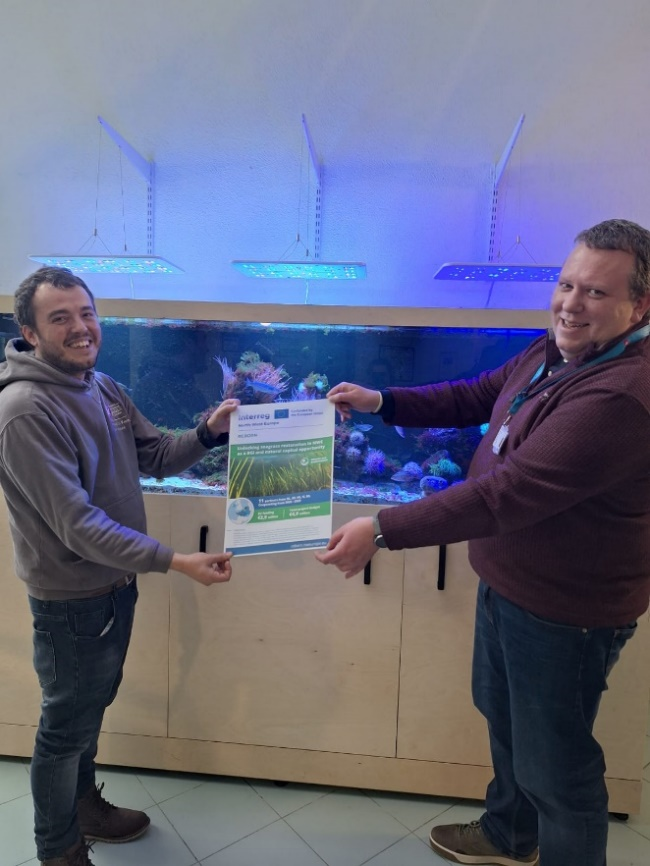
Figure 5. From left to right: Dr Juan Lugilde Yáñez and Dr Liam Morrison setting up the REBORN poster at the Ryan Institute.
Learn more on the REBORN project website as it develops!